Résumé de section

    • Designing and presenting scientific posters

      A scientific poster is a concise visual aid that researchers use to present their work at academic conferences or conventions. Posters are the preferred format for visual presentation sessions, by more effectively combining concise text, graphs, tables, and illustrations to convey research issues, the methodology used, the results obtained, and the main conclusions.

      Scientific posters follow specific layout and information organization rules, while giving researchers the opportunity to engage in in-depth discussions with interested parties.

      This scientific communication tool often provides doctoral students with their first opportunity to present their work in progress and gather valuable feedback from their peers.

      There are two types of posters: those designed for a wider audience and those used for peer presentations.

      Posters for a wider audience
      • Target audience: fellow researchers in the field
      • Aim: to present detailed research results
      • Style: more technical, precise data, rigorous methodology
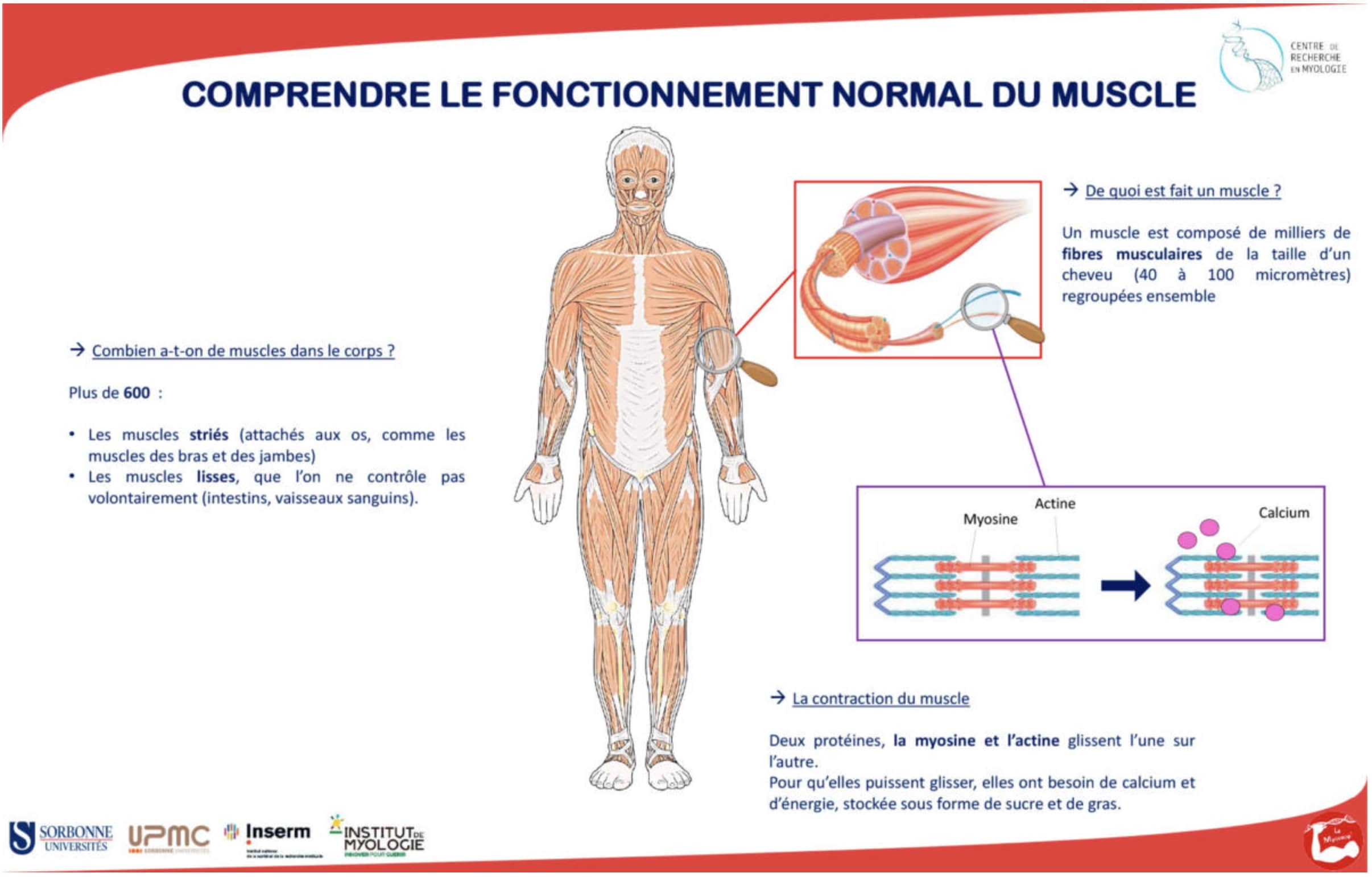
       Exemple de poster de vulgarisation scientifique sur le fonctionnement du muscle.

      Dissemination of knowledge - science festival - poster - understanding normal muscle function. Myology Research Center.

      Peer presentation posters
      • Target audience: fellow researchers in the field
      • Aim: to present detailed research results
      • Style: more technical, precise data, rigorous methodology
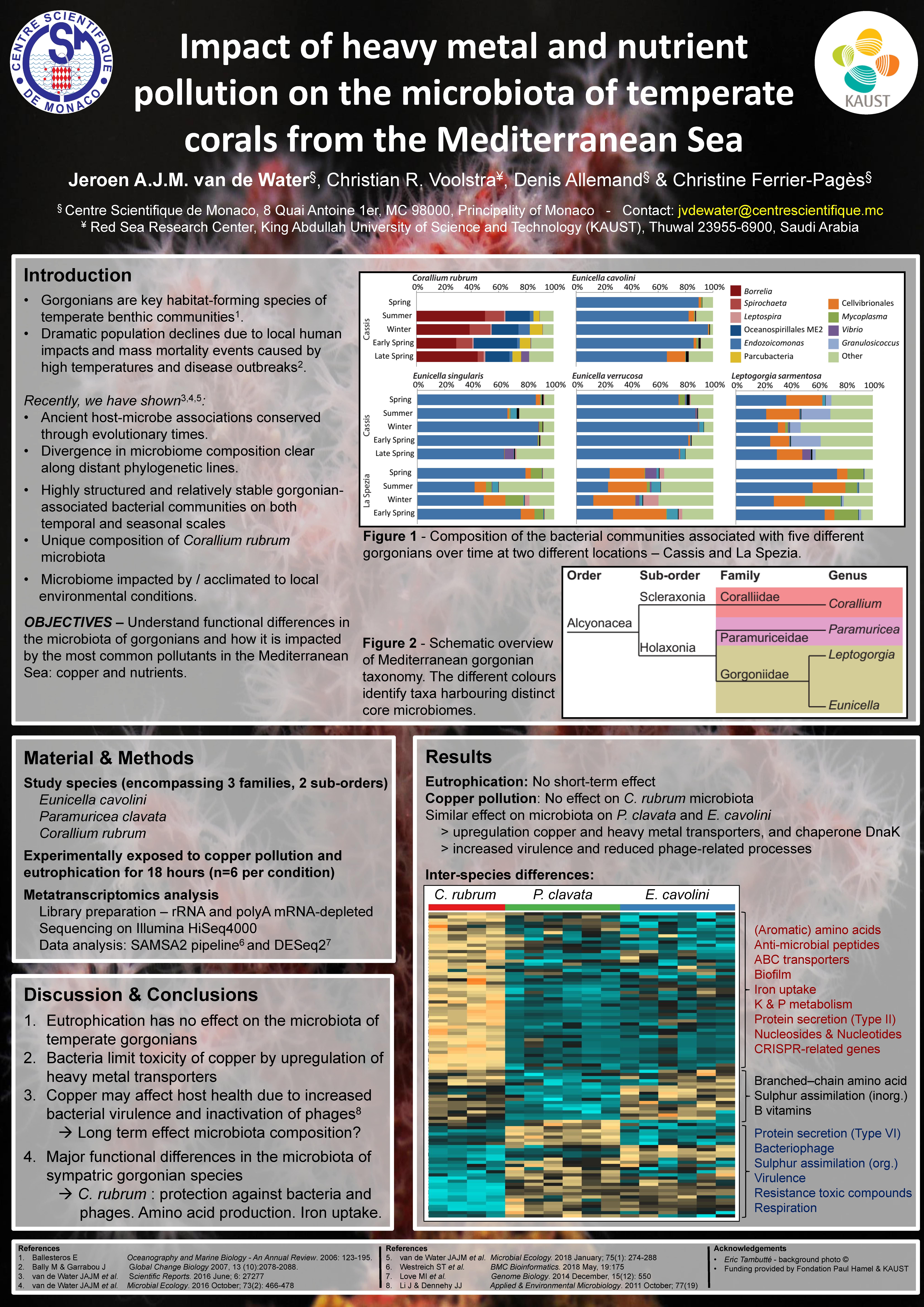
       Exemple de poster scientifique sur l'impact de la pollution sur des coraux.

      ISME Conference, Leipzig, Germany, August 12-17, 2018 Impact of heavy metal and nutrient pollution on the microbiota of temperate corals from the Mediterranean Sea van de Water J. A. J. M. (Ecophysiology & Ecology Team).  Centre Scientifique de Monaco

    • Benefits and skills derived from poster presentations

      Creating scientific posters is a formative experience for doctoral students and develops several essential cross-disciplinary skills.

      By designing these materials, thesis students learn to communicate complex concepts effectively while refining their ability to synthesize and prioritize relevant information.

      Posters also enhance their visual and design skills, enabling them to present their research in an attractive and clearly readable way.

      Designing posters also requires them to adapt their speech to different types of audiences, always a valuable skill in the academic world.

      Finally, these presentations provide excellent networking opportunities by significantly increasing the doctoral student's visibility within the scientific community.

      To learn more about this topic, check out the scientific poster course (opens in a new tab) on Callisto.

    • The science blogosphere refers to all the blogs dedicated to research output, where scientific ideas are circulated and discussed.

      According to Marin Dacos and Pierre Mounier, an academic blog (referred to as a “research notebook” in French), can be defined as follows:

      A communication method used in a professional research context and now a common research communication practice.
       
      Source: Pierre Mounier, quoted by Mélodie Faury, Le carnet de recherche , Infuse, nos rapports aux sciences, December 5, 2011

      Find out more about research blogs in the presentation below.

    • Scientific mediation examples

      Scientific mediation aims to reconcile the wider public with scientific knowledge by building a bridge between science and society. It encourages participation and horizontal rather than top-down approaches (for example, through the recognition of lay knowledge).

      We will review a few examples of scientific mediation, also aimed at audiences outside the academic world: podcasts, creating a YouTube channel, publishing an article in The Conversation newspaper, participating in events such as the French Science Festival, etc.

    • Contributing via Wikimedia

      Wikipedia...

      Wikipedia is a collaborative, multilingual online encyclopedia launched in 2001. It allows volunteers from around the world to create and edit articles on a wide variety of topics.

      For researchers, Wikipedia can be useful as a starting point to get a general overview of a topic, identify reliable sources through cited references, and keep up with the latest updates in various fields.

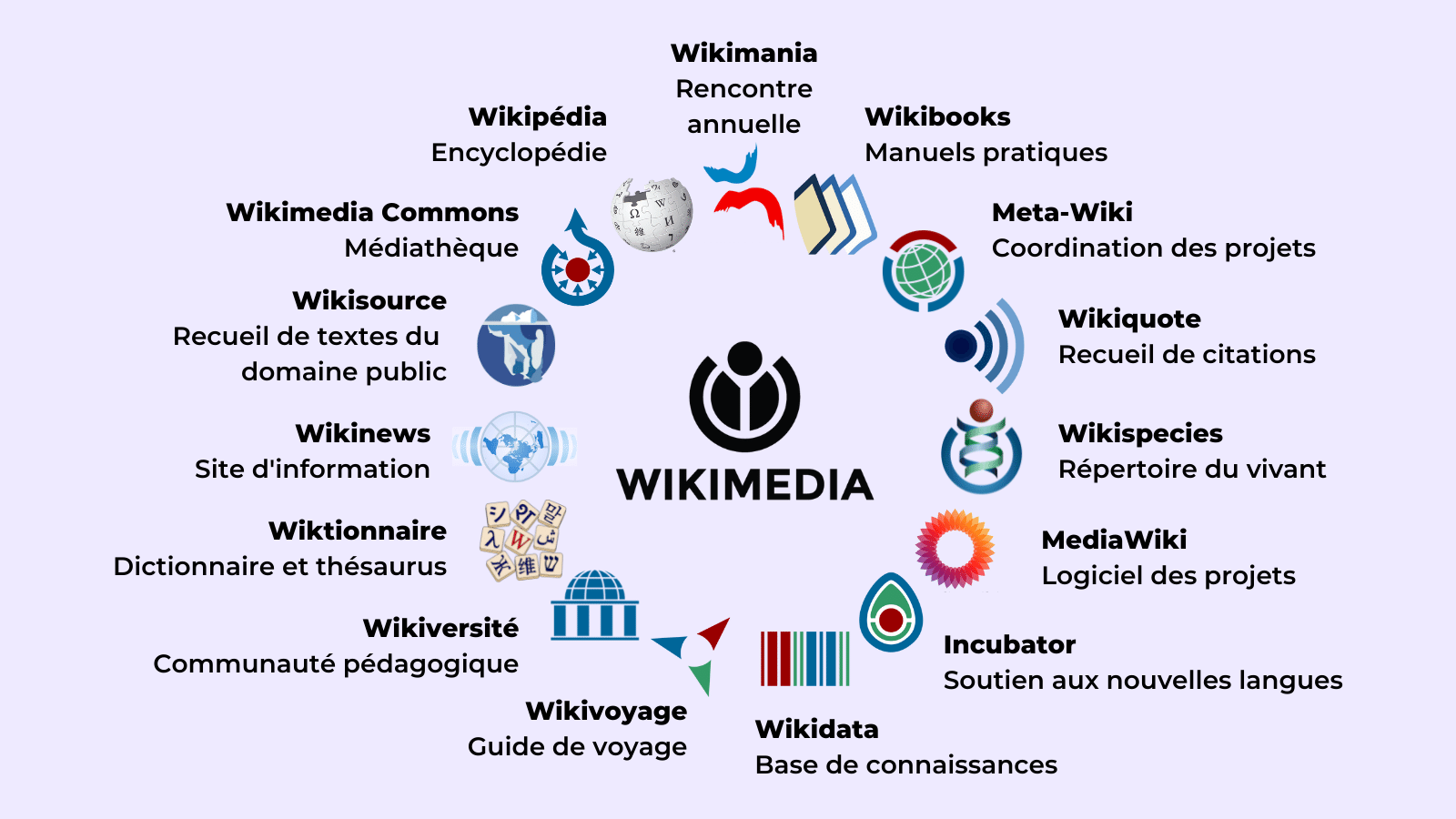
    • Vue d'ensemble des projets Wikimédia.

      Les projets Wikimédia - Wikimédia France.

      ...And other Wikimedia projects

      The Wikipedia encyclopedia and all the projects that are part of the Wikimedia environment (Wikidata, Wikimedia Commons, Wikisource, etc.) can also enable researchers to share their activities and knowledge with a wider audience seeking access to research results.

    • Why contribute to Wikimedia projects as a researcher?

      Knowledge dissemination and sharing 
      Promoting the dissemination of scientific knowledge and enhancing your reputation within the academic community and beyond for increased visibility. 

      Skills development 
      Developing skills in science communication and information synthesis. 

      Improving content quality 
      Researchers can contribute their expertise to improve the reliability and accuracy of articles in their field. 

      Networking and collaboration 
      Working with other experts, exchanging ideas, and getting useful feedback on their contributions (peer review and consensus processes, skills useful in academia). 

      Societal impact 
      Having a tangible impact on society by making scientific information accessible to a wider audience and promoting scientific education and culture. 

      Scientific monitoring
      Keeping up to date with the latest advances in your field.

    • Limitations and points to consider

      Contributing to Wikipedia requires time and patience, particularly when it comes to adapting to the encyclopedia's rules and processes. As in any scientific writing process, the principles of reliability and quality of sources and respect for intellectual property must be observed.

      You also need to bear in mind Wikipedia's editorial processes, which are collaborative and decentralized, which can make contributing a complex experience. Researchers must be prepared to discuss, negotiate, and sometimes compromise with other contributors to reach consensus statements.

      However, the benefits in terms of knowledge dissemination and professional development can be significant for a young researcher.

    • Creating your own Wikipedia page?

      We would not recommend creating your own Wikipedia page, even if you believe you meet the required notability criteria. Better to let other contributors do that in order to maintain a strictly neutral stance as far as possible.